Enterprise & B2B Shipping Solutions
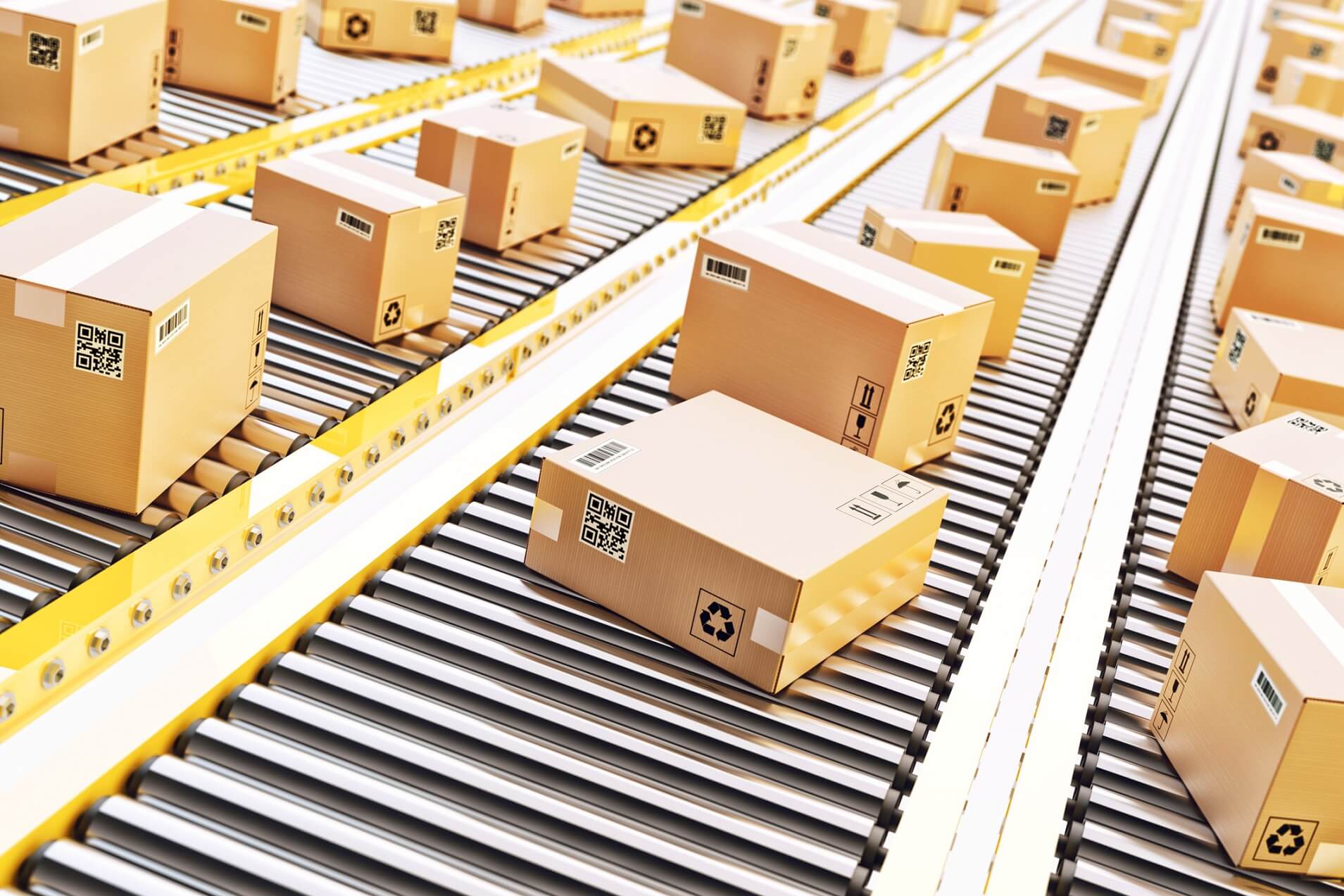
As shipping becomes the new differentiator, enterprise and B2B businesses need to choose carefully when comparing shipping partners. Let’s take a look at how enterprise shipping solutions work in Australia, and what to consider when choosing an enterprise shipping system.
How does enterprise shipping differ from ecommerce shipping?
As enterprise and B2B businesses well know, enterprise freight shipping is a whole lot more than simply picking and packing. It’s an essential function of the business - sometimes the most fundamental function for the operation of the business.
The primary difference between ecommerce shipping and enterprise, other than the volumes being sent, is the importance of data flow. Not just for carrier selection of packaging choices - information from the shipping function also enriches and informs every part of the business; from pricing, to customer service, marketing, accounting right through to overall business strategy.
What do enterprise shippers need?
Whether it’s designing internal processes or choosing technology partners, the needs of a B2B or enterprise shipper are much different to smaller ecommerce businesses. Here are a few non-negotiables:
Freedom and flexibility
To keep their competitive advantage, bigger shippers need to be able to be responsive and adaptable. Take carrier selection for example: businesses need the ability to compare and change carriers at scale to ensure they’re always using the best option.
Automation
Enterprise and B2B shippers must use automation in clever ways to ease the burden on staff and save valuable hours per week. Ideally, all your data entry would be automated to lower costs and improve its accuracy. Creating consignments, for example, shouldn’t be a big manual burden - it can be done automatically through good shipping software. Reconciling carrier invoices should also be automated to save the accounts department’s time and pick up discrepancies more accurately.
Real-time, two-way tracking
Full visibility of all tracking events for both internal teams and receivers, using a common language across all carriers, is non-negotiable for B2B and enterprise shippers. Data is the lifeblood of these businesses. Reliable, accurate tracking allows them to maintain and exceed customer expectations and reduce customer service issues and staff workload.
Powerful reporting tools
Having the data is one thing - access to the metrics that matter, when you need them, is another. To make decisions that improve the business, management needs a birds-eye view of the organisation’s freight management operations, plus the metrics that matter in granular detail.
How to save costs on complex enterprise shipping
The shipping function of B2B and enterprises is often the most cost-heavy part of the business - but it’s also an opportunity to make huge savings, if approached in the right way.
Here are a few quick ways to save money on enterprise parcel shipping:
- Compare carriers and always know the best option
- Automate time-consuming logistics tasks (in both warehouse and office) wherever possible
- Reconcile your invoices accurately and send out payment requests
- Regularly audit your shipping function to identify better value services
What to ask when choosing enterprise shipping software
There are many enterprise shipping solutions out there - each with different capabilities and strengths. What your organisation might look for in an enterprise shipping system may differ from your competitors - but here are a few things we think are vital to ensure shipping efficiency.
Can I BYO Carrier Accounts?
Chances are you’ve already negotiated rates with carriers - or you have had a 3PL do this for you. Don’t rip up those good rates - make sure you can take them with you and seamlessly integrate them into your new shipping technology system.
Do you play nice with 3PLs and 4PLs?
Big shippers rarely do it alone - and in Australia, third and fourth-party logistics providers do a great job of helping ease the burden and applying their shipping expertise. Any enterprise shipping system you choose must be able to integrate with your 3PL or 4PL - and ideally, have an existing relationship with them.
Can I integrate via API?
Enterprise shipping software needs to integrate seamlessly with e-commerce, ERP and WMS platforms (for example, Netsuite) to automate fulfilment workflows. Best-case scenario is that your platform has an open API enabling pretty much any integration use case to be fully accommodated.
Do you have consign/manifest capability?
Your new enterprise shipping system should automatically create new consignments when a sale or fulfilment is created – either as a draft consignment or manifested job - then allow you to print shipping labels and track the entire process.
Which enterprise shipping solution should you choose?
A good shipping technology partner isn’t just a nice-to-have. It could deliver the competitive advantage you need to excel above your competitors in a crowded market. The time and money savings you can make with a good enterprise shipping system could be passed on to your customers, or allow you to make upgrades in other areas to put you one step ahead.
Which one you choose will depend on your existing systems, your freight volumes and your future goals. But if you use the advice and questions above when choosing enterprise shipping software, you’ll make the right decision.
MachShip is a market-leading cloud-based freight management platform serving wholesalers, retailers, 3PLs & 4PLs. We’ve helped countless enterprise and B2B shippers save time and money, streamline their freight processes and transform their shipping from a headache into a competitive advantage. Read our customer success stories here.
Insights & Articles
.jpg)

%20(1).png)