Radio Parts x Deliver-It with MachShip
Radio Parts sought a multi-carrier freight solution that could integrate directly with their existing Business Central environment – without disrupting the workflows their teams already relied on.

Radio Parts sought a multi-carrier freight solution that could integrate directly with their existing Business Central environment – without disrupting the workflows their teams already relied on.

Fuel surcharges rose 42% across MachShip’s network between early and late March. Here’s what that movement means in dollar terms for your freight operations, why multi-leg shipments amplify the impact and where to focus first.
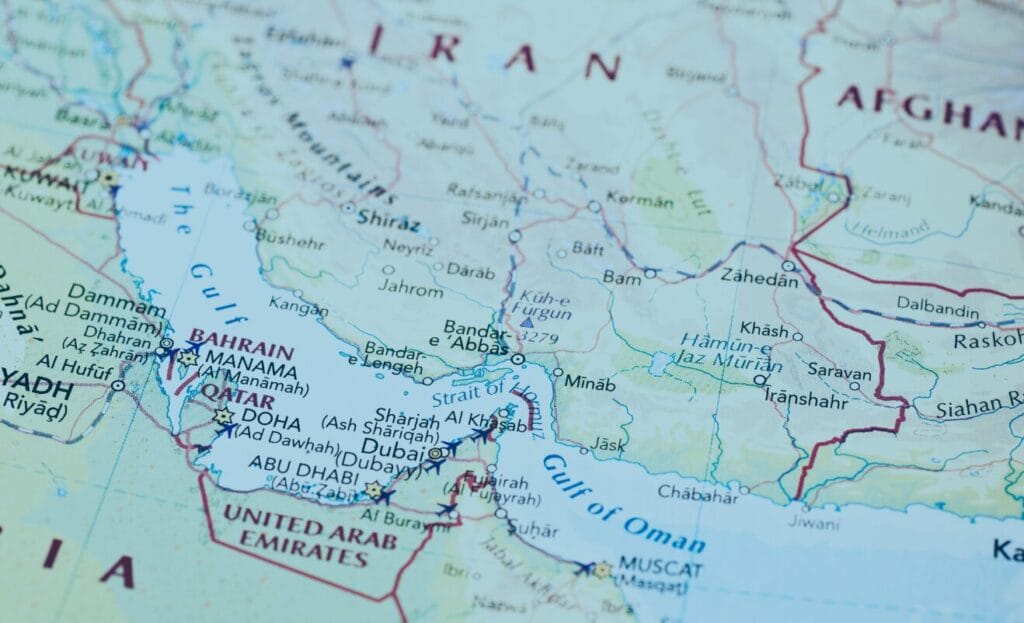
Most commentary on rising fuel costs stops at the Strait of Hormuz. What it misses is the structural story: the Asian refineries supplying Australia are specifically calibrated for Gulf crude, which means disruption doesn’t clear when a shipping lane reopens. Here’s the full journey and why the supply chain mechanics matter more than the headlines suggest for anyone managing freight costs right now.

On 30 March 2026, the Fair Work Amendment (Fairer Fuel) Bill passed the Senate. The six-month waiting period for transport operators to seek emergency FWC intervention on fuel costs is gone and the obligation for fair cost-sharing now sits squarely with commercial clients at the top of the chain. If your business moves freight by road, your contracts are operating in a changed regulatory environment. Here’s what the amendment actually changes and the questions worth asking about your own freight agreements now.

Spreadsheets were never built for multi-carrier freight operations. If your cost management relies on them, there’s a good chance you’re absorbing overcharges and missing savings you can’t see yet.
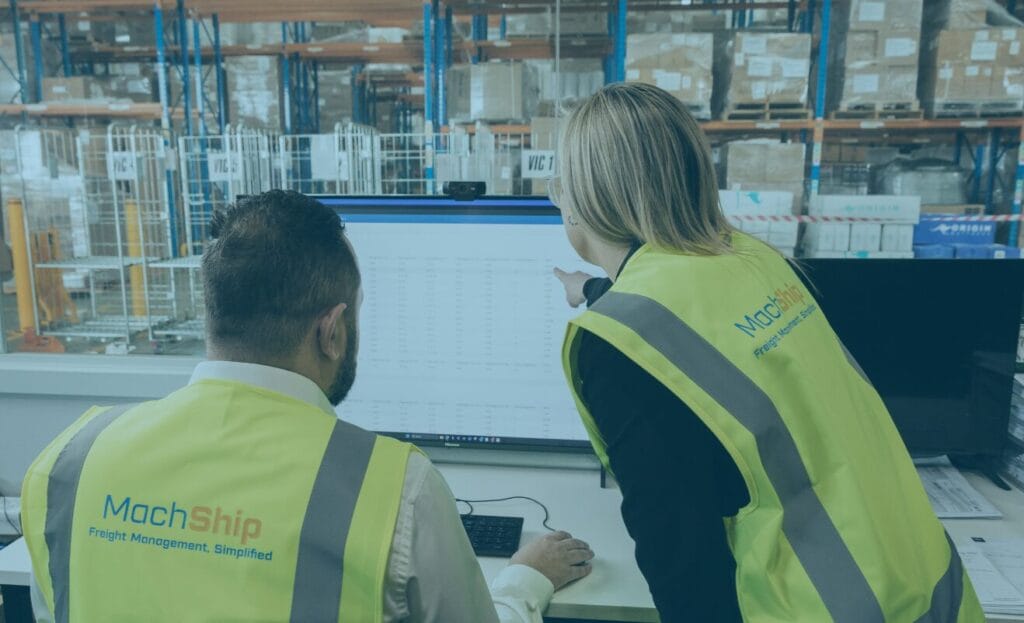
Carrier selection happens quickly in busy warehouses, but those quick decisions can quietly shape freight costs over time. This article explores how small dispatch choices compound across thousands of consignments and what logistics teams can do to improve visibility and make better carrier decisions.

Freight overcharges rarely come from obvious mistakes. More often they appear as small discrepancies across shipment volumes – dimensional adjustments, accessorial charges or pricing changes that are difficult to verify consistently. This article explores the most common causes and why many logistics teams are adopting better ways to reconcile freight invoices.

Reliability isn’t a feature — it’s the freight experience. Go behind the scenes to see how MachShip strengthens its cloud foundation to deliver consistent performance, real-time visibility and uninterrupted operations as customers scale.

Many freight teams believe they have control, until complexity, carrier sprawl and manual quoting start to erode margins. This article explores what control actually looks like in a multi-carrier environment and where it’s really won or lost.

Freight efficiency doesn’t come from big transformations. It comes from removing everyday friction — improving visibility, reducing exception chasing and making smarter decisions with the data teams already have.

Manual processes often build up quietly in freight operations — especially around consigning, manifesting, and reconciliation. This article explores where they still hide, why they matter and how teams reduce them in practice.

Freight teams don’t need more complexity in 2026. This article explores where operations really lose time, and how tightening consigning, manifesting and visibility can make freight run smoother.

Peak season doesn’t judge performance — it reveals how freight operations absorb pressure. With clarity restored, freight leaders can reflect on what scaled naturally and what required extra effort, and use those insights to design greater Freightability for what comes next.

When it comes to delivery expectations, the industry is seeing a clear shift: reliability now outranks speed as the defining measure of trust. In this piece, we explore the insight highlighted during Sam Rowse’s appearance on Supply Chain Unchained and what it means for freight teams.

A Freight Management System (FMS) helps businesses automate and streamline freight operations across multiple carriers. In this guide, we break down what an FMS is, how it works and why it’s becoming essential for logistics teams looking to save time and reduce costs.