Why Freight Visibility Breaks Down as Operations Grow
As freight operations grow, visibility often erodes quietly. This article explores why tracking breaks down with scale, and what experienced teams do to regain control.

As freight operations grow, visibility often erodes quietly. This article explores why tracking breaks down with scale, and what experienced teams do to regain control.

Freight efficiency doesn’t come from big transformations. It comes from removing everyday friction — improving visibility, reducing exception chasing and making smarter decisions with the data teams already have.

Manual processes often build up quietly in freight operations — especially around consigning, manifesting, and reconciliation. This article explores where they still hide, why they matter and how teams reduce them in practice.

Freight teams don’t need more complexity in 2026. This article explores where operations really lose time, and how tightening consigning, manifesting and visibility can make freight run smoother.

Peak season doesn’t judge performance — it reveals how freight operations absorb pressure. With clarity restored, freight leaders can reflect on what scaled naturally and what required extra effort, and use those insights to design greater Freightability for what comes next.

When it comes to delivery expectations, the industry is seeing a clear shift: reliability now outranks speed as the defining measure of trust. In this piece, we explore the insight highlighted during Sam Rowse’s appearance on Supply Chain Unchained and what it means for freight teams.

A Freight Management System (FMS) helps businesses automate and streamline freight operations across multiple carriers. In this guide, we break down what an FMS is, how it works and why it’s becoming essential for logistics teams looking to save time and reduce costs.

Peak season exposes where freight systems struggle and where they shine. Learn how visibility, flexibility and scalability help teams stay in control.
Freightability is redefining what it means to run a modern freight operation. It’s about creating visibility, flexibility and scalability so freight teams can grow with control and confidence – not chaos.
Freight consolidation is one of the simplest ways to reduce shipping costs and improve efficiency. By automatically combining orders going to the same destination, businesses cut duplicate base charges, streamline admin and gain clearer visibility over every shipment, without changing the way they work.
With freight networks stretching across both islands and margins under pressure, efficiency isn’t optional. See how MachShip is helping New Zealand operators cut admin, control costs, and stay ahead through smarter, connected freight management.
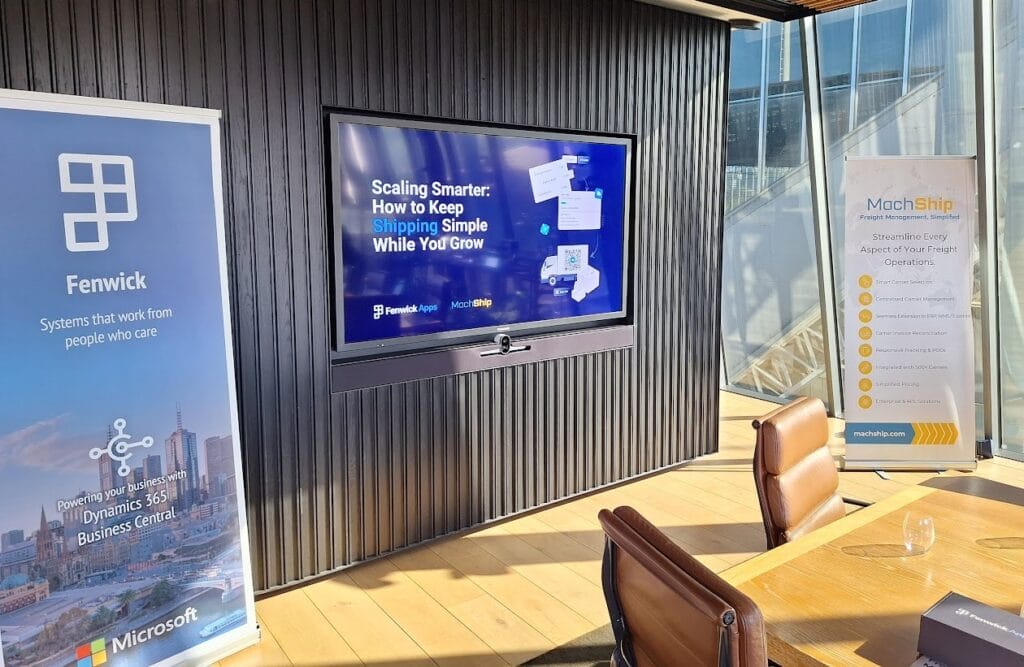
MachShip partnered with Fenwick Apps to bring Deliver-It with MachShip to Microsoft Dynamics 365 Business Central — a seamless integration that automates freight, eliminates manual work and helps businesses move shipments faster and smarter.
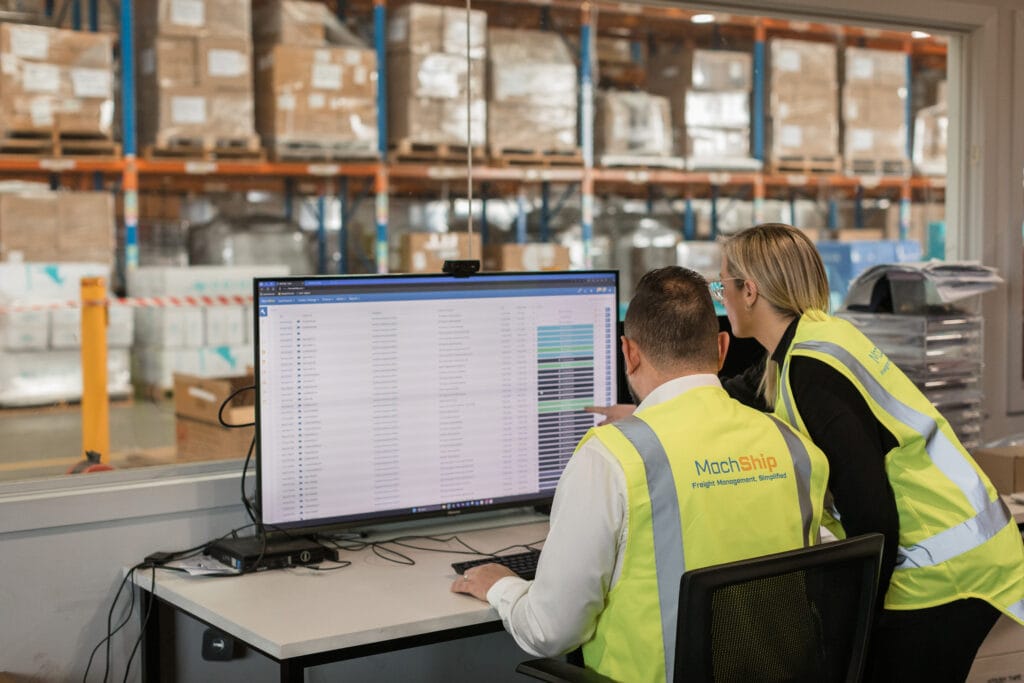
Multi-carrier freight management and dock scheduling are often managed in silos, but when they work together, the results are transformative. Discover how smarter integration reduces congestion, cuts costs, and boosts distribution centre performance.

15 July 2025 If managing freight in New Zealand feels more complex than it should — you’re not alone. Juggling multiple carrier portals. Manual bookings.
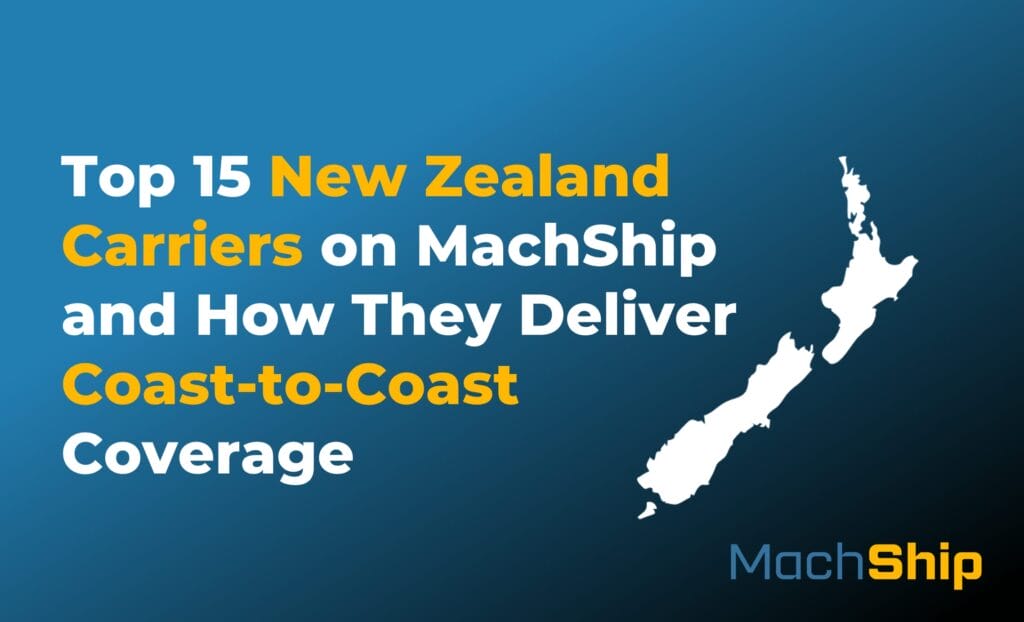
MachShip is live across New Zealand, integrated with 15 leading carriers to provide businesses in NZ and AU with total freight visibility, automation, and flexibility—so you